Zuppa gallurese, slow-roasted porceddu, Vermentino from the granite hills. A short guide to eating well in northern Sardinia, from the fish ports to the farm tables around Villa Cala Sassari.
A Small Guide to Sardinian Food and Wine in Northern Sardinia — Gallura and Golfo Aranci
Sardinian food and wine reach one of their happiest expressions in Gallura, the granite north-east where Villa Cala Sassari stands. Within ten minutes of the villa are the fish kitchens of Golfo Aranci; within half an hour, the farm tables of the interior. This is a short field guide to what to order, when, and where the region quietly excels.
Sardinian Food and Wine: What to Order
Start with the region's own dish: zuppa gallurese, or suppa cuata — layers of bread, local cheese and broth baked until the top crisps, richer than its humble name suggests. From the sea come the mussels for which the Gulf of Olbia is known, whole fish grilled simply, and fregola — toasted semolina pearls — with clams. From the land, culurgiones (pleated pasta filled with potato, cheese and mint), porceddu (suckling pig roasted slowly over juniper and myrtle wood, the great dish of farm restaurants), and paper-thin pane carasau on every table. Finish with seadas, fried pastry filled with young cheese and dressed with bitter honey, and a glass of mirto, the island's myrtle liqueur. To drink throughout: Vermentino di Gallura, grown on these granite hills and the island's only DOCG wine, with red Cannonau for the roasts.
Where to Eat, from the Villa
Golfo Aranci, ten minutes north, is the natural choice for fish, with restaurants gathered around the port and seafront; Olbia, twenty minutes south, adds range and a lively evening centre. For porceddu and the full farm repertoire, book an agriturismo in the Gallura interior — most serve a generous fixed menu and need reserving a day or two ahead.
Best Time: The Year at the Table
Spring brings artichokes, fresh cheeses and lamb; summer belongs to the sea — mussels, crudo, fregola with clams; autumn is the Vermentino harvest, wild boar and the first porcini from the cork-oak woods; winter, for the few who come, is the season of long roasts and bold Cannonau.
Practical Tips
Lunch runs roughly 12:30 to 14:30 and dinner rarely starts before 20:00; outside those windows, kitchens genuinely close. A small cover charge per person is standard, not a tourist surcharge. In July and August, reserve every dinner; in the countryside, agriturismi often serve set menus only, which is a feature rather than a limitation.
An Insider Detail
Ask for the honey. Sardinia's miele amaro — bitter honey from the strawberry tree — is harvested in late autumn in small quantities and transforms seadas from good to memorable. A jar from a local producer weighs little and travels well.
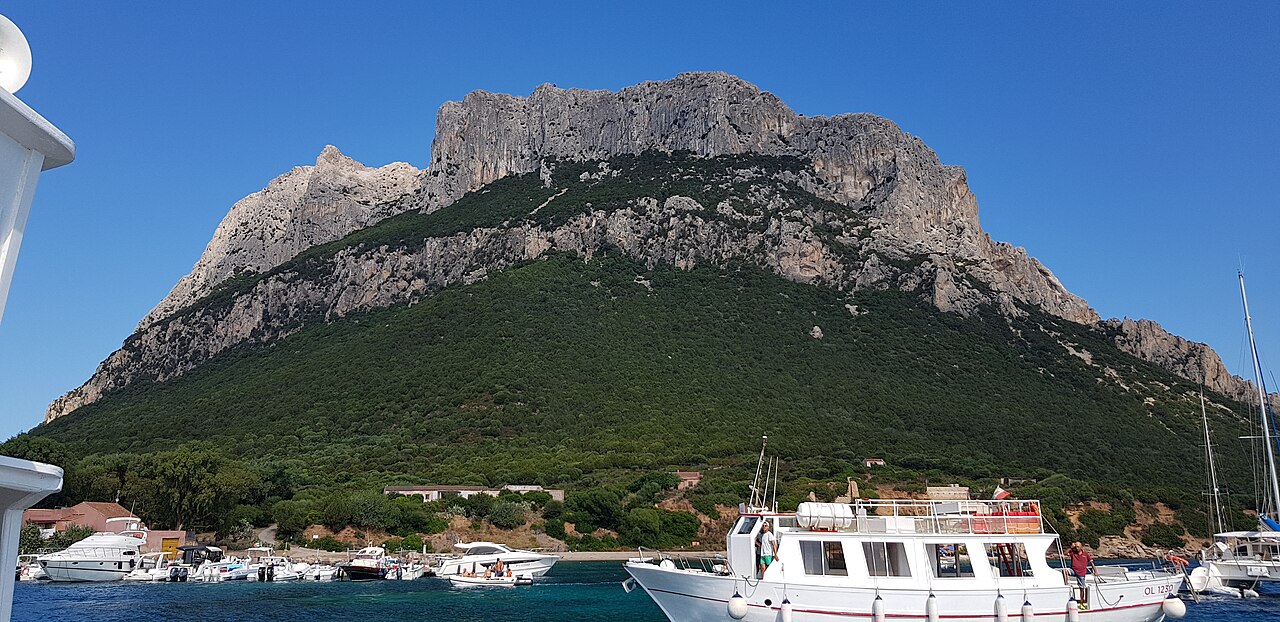
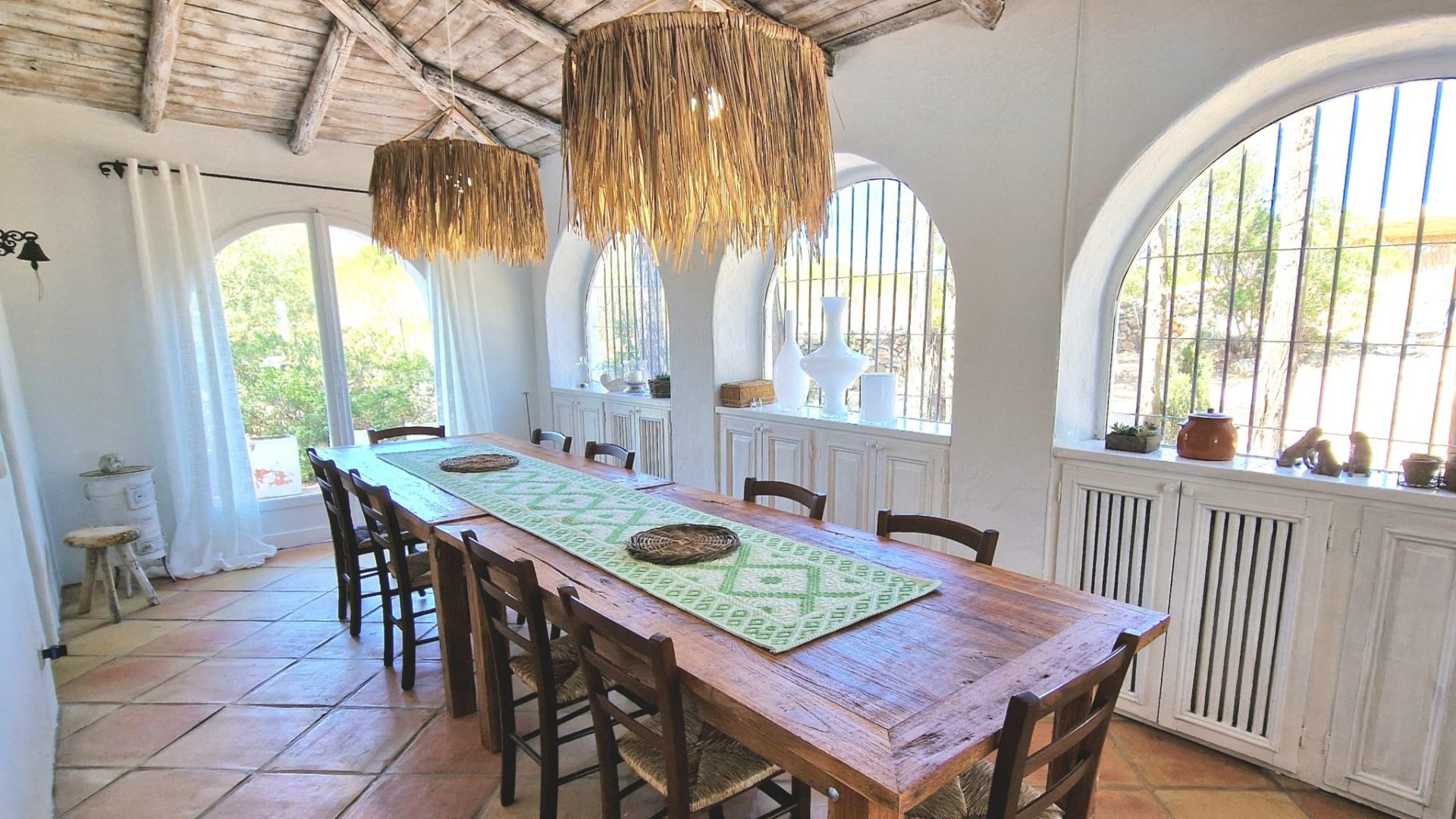
At the villa, the same larder is yours to cook from: Golfo Aranci's fishmongers and Olbia's markets are minutes away, and dinner for twelve on the terrace, with Vermentino cold and Tavolara darkening across the water, needs no restaurant at all.