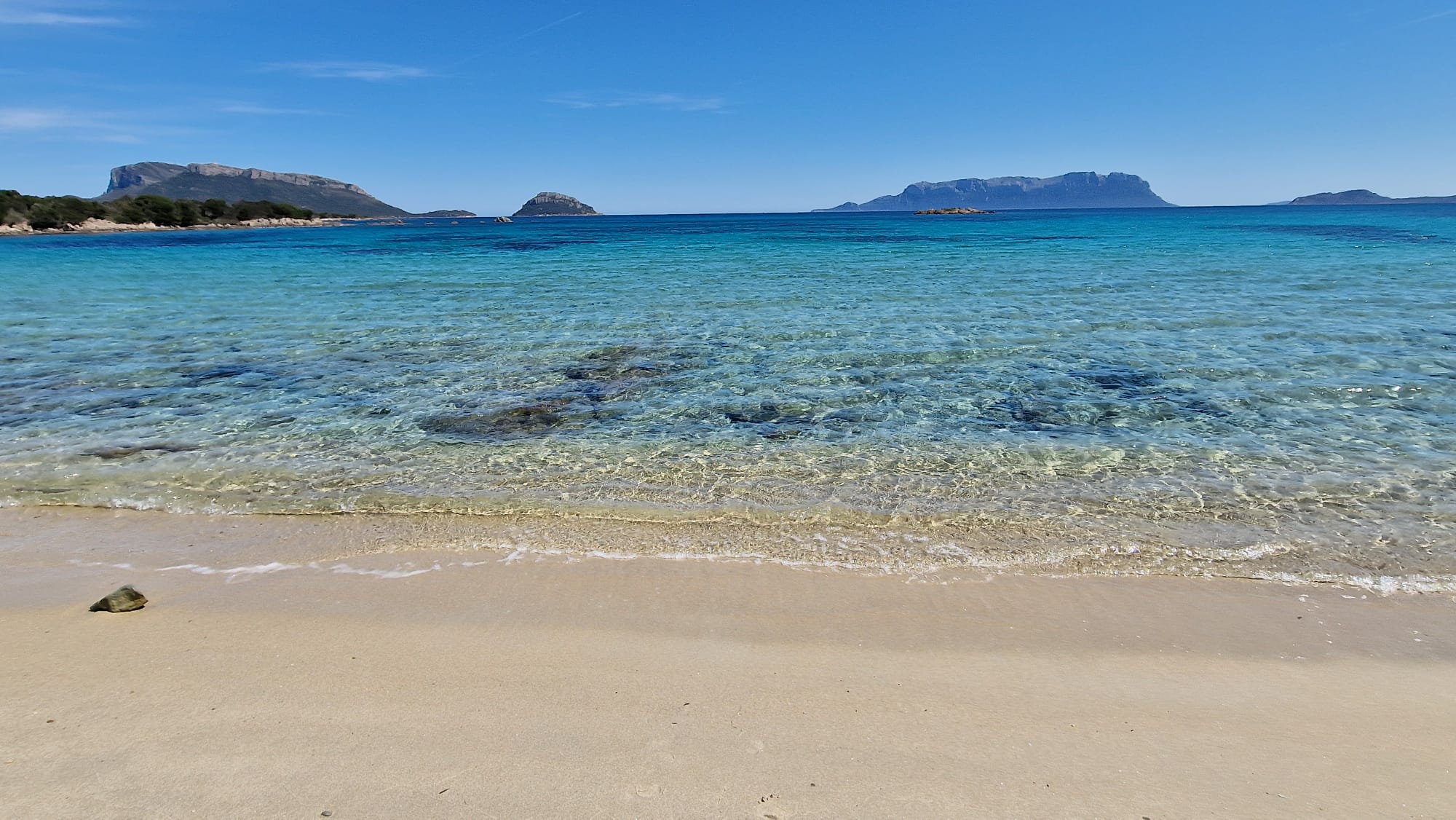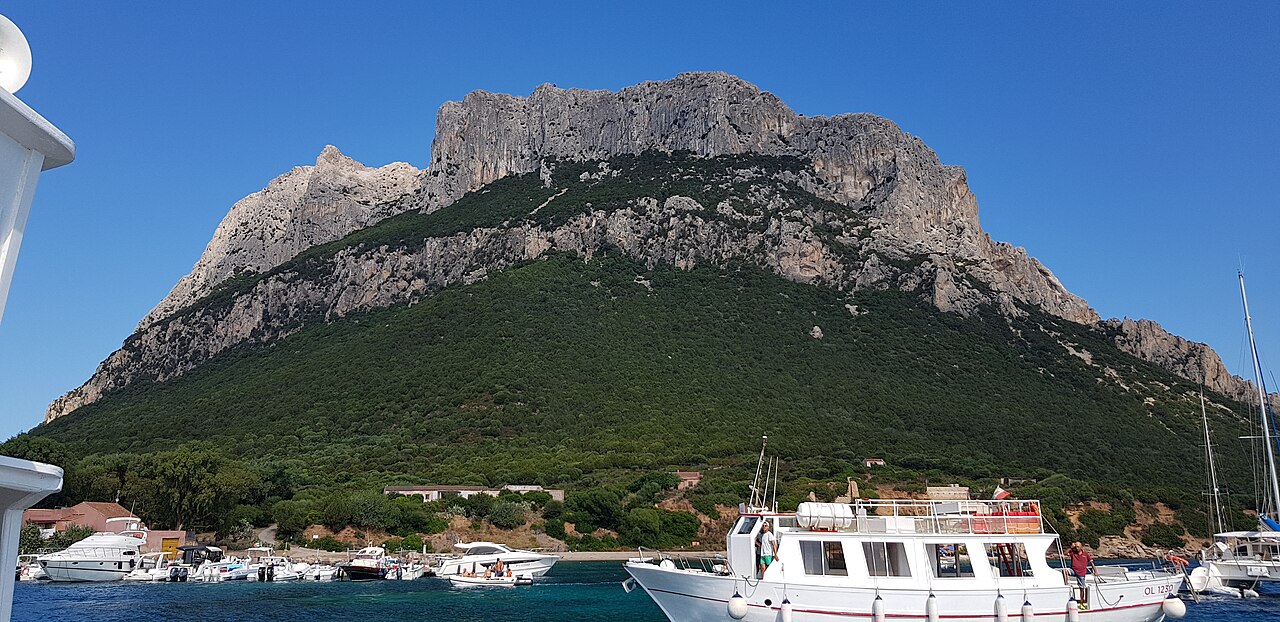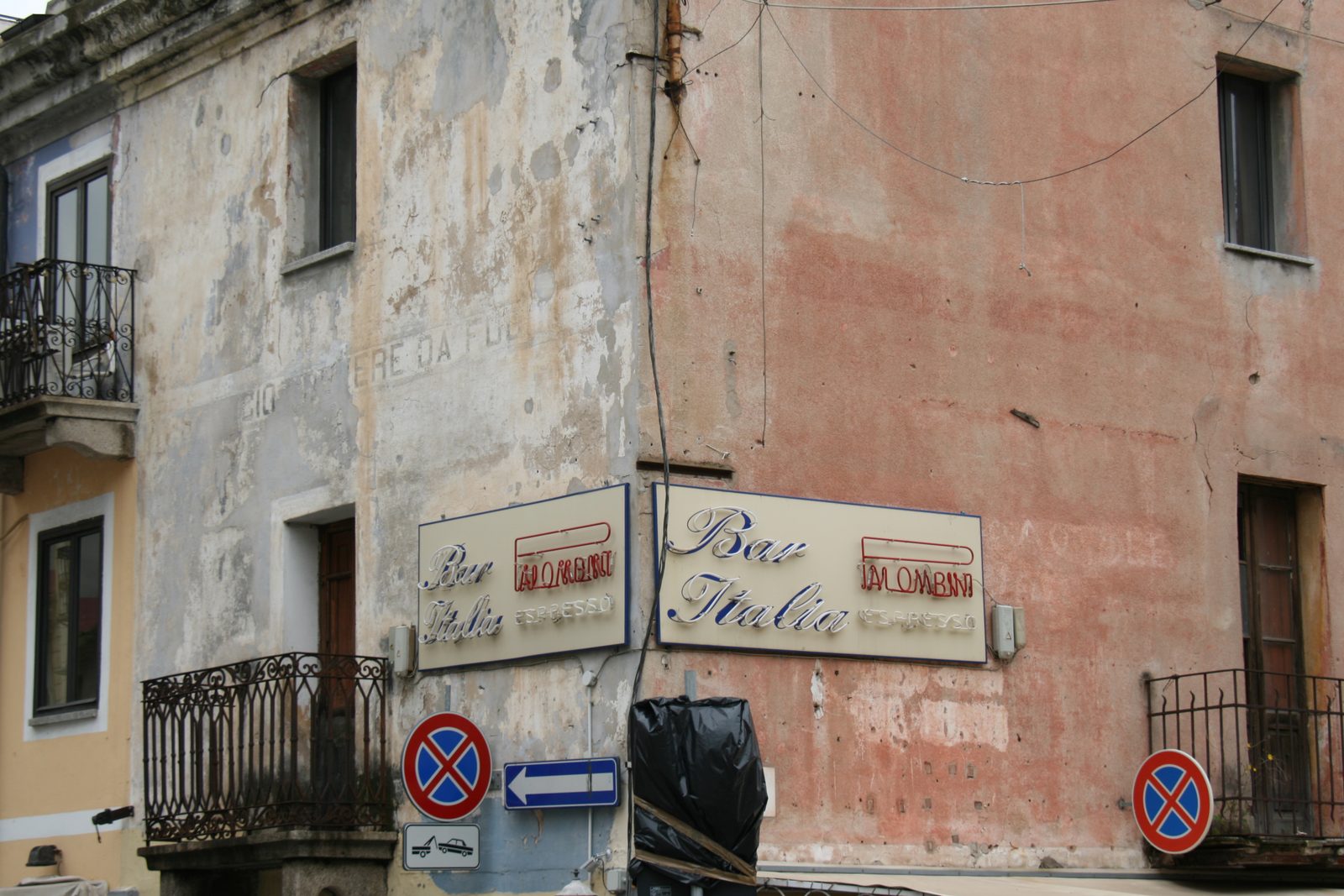
More than an airport stop: the Pisan-Romanesque Basilica di San Simplicio, Corso Umberto, a ship-shaped archaeological museum, and real Sardinian food — 20 minutes from the villa.
Olbia, Sardinia: What to See in the Real Town Behind the Airport
Olbia is the most practical city within reach of Villa Cala Sassari — roughly 20 minutes by car from Punta Pedrosa — and also a genuinely interesting place that most guests see only through a windscreen on the way to or from the airport. A Phoenician foundation dating to around 750 BC, Olbia grew into one of Rome's principal Sardinian ports and has a layered history visible in its churches, its archaeological museum, and in the bones of its compact historic centre.
Getting There from Villa Cala Sassari
From Punta Pedrosa take the SP 82 west towards Olbia, following it until it meets the urban ring road, then follow signs for the Centro Storico. The drive takes 20 minutes under normal traffic conditions; allow 25 to 30 minutes on summer mornings when the airport access road can back up. Parking near the historic centre is available in paid car parks off Corso Umberto and near the waterfront; the streets closest to Piazza Margherita fill quickly on market days and during the evening passeggiata.
The Historic Centre
Corso Umberto is the main pedestrianised street, running from the waterfront towards Piazza Margherita and lined with boutiques, cafés, and restaurants that remain open into the evening. The two principal churches are both within easy walking distance. The Basilica di San Simplicio, built in the 11th and 12th centuries in Pisan-Romanesque style from local granite, is one of the best-preserved Romanesque churches in Sardinia — its interior frescoes, triple-mullioned window and small bell tower reward a short visit. The Church of San Paolo is recognisable by its multicoloured mosaic-tiled dome added around 1939, a peculiar and pleasing addition to an otherwise austere granite exterior.
The Archaeological Museum
The Museo Archeologico di Olbia occupies its own small island on the harbourfront, housed in a building designed by architect Giovanni Maciocco in the form of a ship, complete with portholes and suspended walkways. The collection covers Olbia's full timeline from Phoenician foundations through Greek settlement, Roman occupation — with particular focus on the Roman fleet and underwater finds from the harbour — to the medieval period. It is a genuinely informative museum, easily absorbed in 90 minutes.
Food and Wine
Olbia's eating scene centres on Corso Umberto and the streets branching from it. Sardinian seafood cooking dominates: zuppa di cozze e vongole (mussel and clam soup), ricci (sea urchin on pasta), and grilled fish. The white Vermentino di Gallura DOCG — Sardinia's only DOCG designation — is the natural wine pairing, produced from the granite hills surrounding the villa. Several wine shops on and near the Corso stock good selections.
Best Time to Visit
Olbia functions as a city year-round rather than a seasonal resort. For guests at Villa Cala Sassari, a morning in Olbia pairs naturally with provisioning — the daily market near Piazza Mercato runs in the morning and offers local produce, cheese, and cured meats. An evening visit to the Corso and dinner in the historic centre also works well as an alternative to a full beach day, particularly for the first or last evening of a stay.
An Insider Detail
The Archaeological Museum's collection of Roman warships — timbers recovered from the harbour floor, among the largest intact Roman naval finds in the Mediterranean — is less widely known than it deserves. The context it provides for the sea visible from Villa Cala Sassari, which these ships once navigated, makes the museum more than a routine cultural obligation.
Olbia is the practical backbone of a Villa Cala Sassari stay: airport, supermarkets, pharmacy, and a city with genuine character to explore on its own terms at least once during any visit.